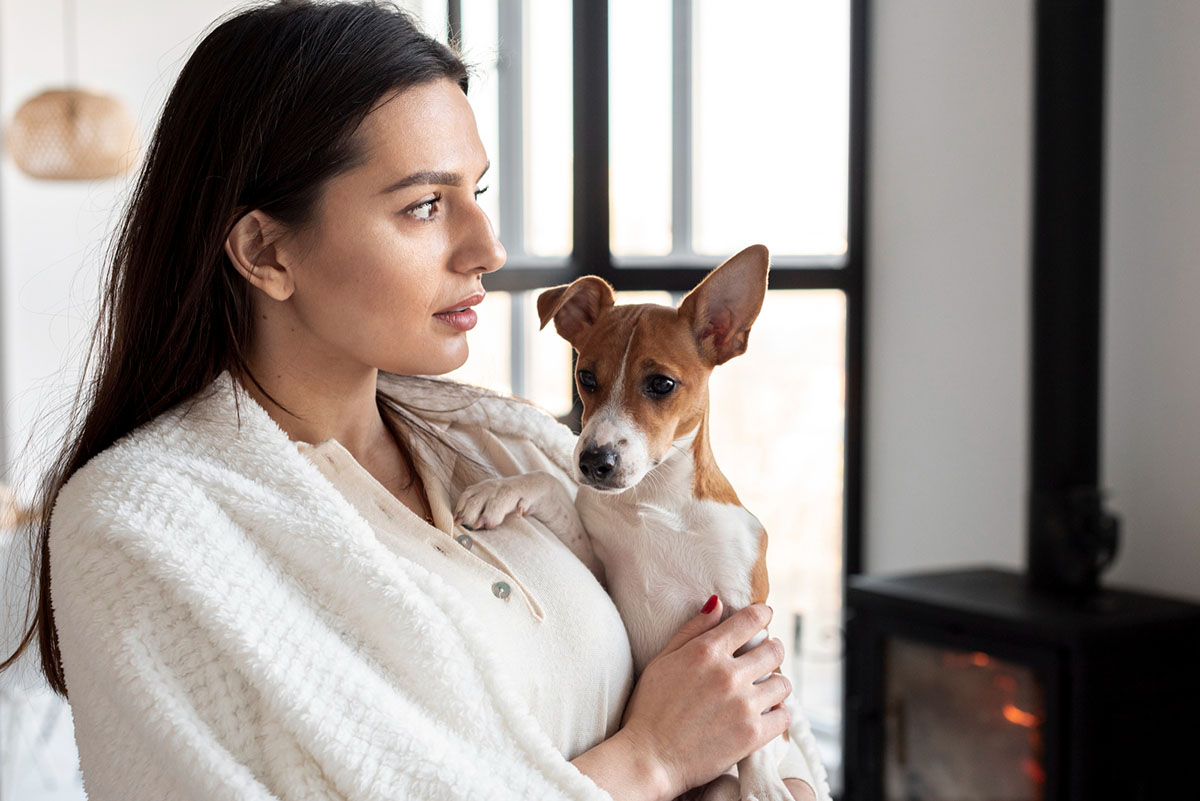
How to successfully adopt your first pet: Essential tips for new owners
By Jessica Brody
10 November 2026
For first-time pet owners, the pet adoption process can feel equal parts exciting and intimidating, especially when choosing a pet breed that truly fits daily life. The core tension is real: the benefits of pet adoption, companionship, routine, and a stronger sense of home, come with pet adoption challenges like adjustment stress, unexpected expenses, and the responsibility of meeting a living creature’s needs every day. Starting with clear expectations helps prevent common mismatches that leave both people and pets overwhelmed. With the right mindset from the beginning, a first adoption becomes a confident, sustainable commitment.
Follow an adoption checklist from choice to calm
This checklist helps you choose a pet you can truly care for, set up your home, and ease the first days together so everyone settles faster. For general readers, a simple order of operations prevents rushed decisions that lead to stress, returns, or unsafe situations.
Step 1: Choose a pet that fits your life and health
Start by listing your non-negotiables: time at home, activity level, space, noise tolerance, and budget for food and vet visits. If allergies are a concern, spend time in-person with the animal type you’re considering and avoid relying on “hypoallergenic” claims alone. Confirm your household’s limits first so your choice is sustainable.
Step 2: Match breed or mix traits to daily routines
Compare temperament and care needs, not just looks: energy level, grooming, trainability, and how much interaction the pet typically needs to thrive. Ask the shelter or rescue what they’ve observed about the individual animal’s behavior in different settings. When in doubt, prioritize a calmer match over an aspirational one.
Step 3: Prepare your home using a simple supply list
Set up one “landing zone” before pickup: food and water bowls, appropriate food, a bed or crate, leash or carrier, waste supplies, and safe toys. A quick adoption checklist keeps you from forgetting basics when emotions are high. Pet-proof by securing cords, removing toxic plants, and blocking off no-go rooms.
Step 4: Create a low-pressure first week for fast acclimation
Start with one quiet room or a defined area, then expand access gradually as your pet relaxes and learns house rules. Keep routines predictable: same feeding times, short walks or play sessions, and lots of calm praise for desired behavior. Limit visitors at first so your new companion can bond and decompress.
Step 5: Lock in a vet baseline and feeding plan early
Schedule a wellness visit soon after adoption to discuss vaccinations, parasites, and any behavior or health concerns you notice. Make food choices based on your pet’s age and needs, and let consulting with a veterinarian guide adjustments if stomach upset or allergies appear. This early baseline helps you avoid guesswork and build consistent care.
Build a shareable pet paperwork system in 15 minutes
Once you’ve handled the basics of choosing and settling in, the next stress-saver is making sure your pet’s essential info is always at your fingertips. Take a few minutes to digitize the documents you’re likely to need on short notice: vaccination records, adoption papers, microchip details, and any vet notes you’ve received so far. Gather whatever you have, photos from your phone, scans, emailed attachments, or printed pages, and turn them into consistent, easy-to-share PDFs using a PDF converter. Having everything in one clean format makes it much easier to send records quickly during a vet visit, boarding request, or an unexpected emergency.
Then create one simple digital folder for all pet-related records and keep those PDFs together so you’re not searching through messages and camera rolls when time matters. A centralized folder also supports better security and peace of mind, because you always know where your pet’s key information lives and how to share it in seconds. With paperwork handled, you can focus your energy on the daily routines that help your new pet feel safe, connected, and at home.
Habits that build trust with your new pet
Habits turn first-week nerves into steady progress. By repeating a few simple practices, you help your pet learn what to expect, build confidence, and form a secure bond that lasts.
Two-minute calm check-in
What it is: Sit nearby, speak softly, and offer a treat when your pet relaxes.
How often: Daily
Why it helps: Predictable calm attention builds safety and lowers stress for shy pets.
Same-time meals and potty breaks
What it is: Practice one cue using tiny rewards and end on a win.
How often: Daily
Why it helps: Short sessions grow focus and confidence without overwhelming your pet.
Gentle socialization loop
What it is: Plan outings where socialization doesn't have to be complicated.
How often: 3 times weekly
Why it helps: Positive novelty builds resilience and reduces fear reactions.
One-handler handling practice
What it is: Start touch practice with one person petting your dog.
How often: Per milestone
Why it helps:Gradual handling reduces startle responses and improves vet-visit cooperation.
New pet owner questions, answered
Q: How do I find a qualified veterinarian fast?
A: Ask your shelter or rescue which clinics they trust, then confirm the vet sees your pet type and offers urgent appointments. Look for clear communication, transparent pricing, and a calm handling style. Schedule a “new pet exam” within the first week or two.
Q: What veterinary care basics should I expect in the first month?
A: Plan for a full physical exam, vaccine review, parasite prevention, and a discussion about spay or neuter timing if it is not already done. Bring any paperwork from the adoption, plus a list of food, potty, and behavior questions. Ask the clinic what symptoms count as an emergency after hours.
Q: When should I call the vet versus go in right away?
A: Call for mild diarrhea, minor coughing, itchy skin, or reduced appetite lasting more than a day, especially in puppies or kittens. Go in promptly for trouble breathing, repeated vomiting, blood in stool or urine, seizures, collapse, or suspected poisoning. When in doubt, phone triage is always appropriate.
Q: Can stress after adoption look like illness?
A: Yes, transitions can cause low appetite, hiding, tummy upset, or extra sleep for a few days. Keep routines steady, offer water, and track eating, potty output, and energy. If symptoms worsen or persist beyond 48 hours, check in with your vet.
Create a steady rhythm for confident, long-term pet ownership
Bringing a new pet home can feel like equal parts joy and pressure, especially when every decision seems to affect their health and behavior. The steadier path is the mindset this guide has emphasized: pair successful pet adoption tips with patience, routine, and a willingness to ask for help early. When that approach becomes daily practice, vet visits get less stressful, small issues get handled sooner, and your bond grows through consistent care. Responsible pet ownership is less about perfection and more about showing up, day after day.
Join the Humane Animal Society in Coimbatore in their mission to rescue and care for stray animals by donating, volunteering, or adopting a pet today. Your support can make a real difference in the lives of animals in need.
Photo credit: Magnific
Return to Citizens for Animals homepage